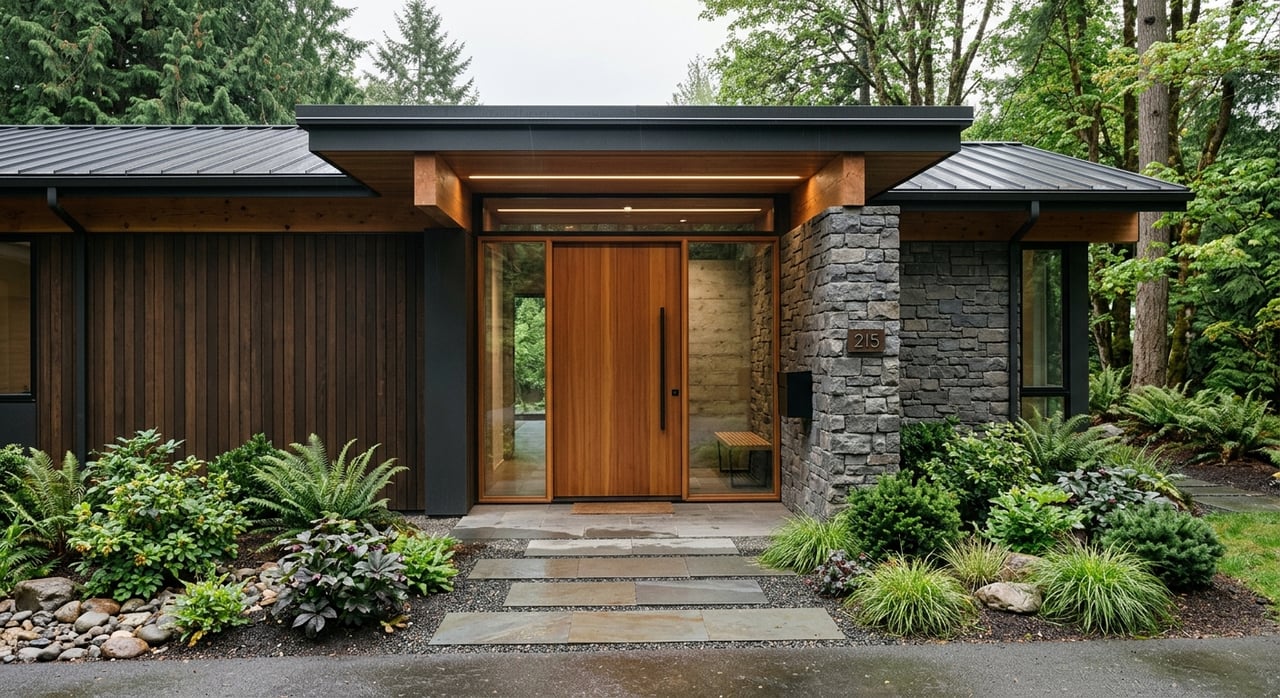
Wondering whether your West Linn home still fits the way you live today? If your house feels bigger than you need, harder to maintain, or less practical for the years ahead, you are not alone. In a city where many residents have owned their homes for years and built substantial equity, downsizing can be a smart next step, but only if it supports your goals. The key is asking the right questions before you make a move. Let’s dive in.
Why downsizing is a real conversation in West Linn
Downsizing is especially relevant in West Linn because many homeowners have both longevity and equity on their side. According to U.S. Census QuickFacts for West Linn, 82.7% of housing units are owner-occupied, the median value of owner-occupied homes is $770,200, and 19.3% of residents are 65 or older.
Those numbers help explain why many homeowners start asking whether a larger home still makes sense. The same Census data shows median monthly owner costs of $3,050 with a mortgage and $1,136 without one, which means your current carrying costs may be worth revisiting if your needs have changed.
West Linn’s 2025 Housing Production Strategy also notes a need for more accessible housing and single-story options for seniors. That matters if you want to stay in the community but shift into a home that feels easier to live in day to day.
Start with your real goal
Before you think about timing, price, or neighborhoods, get clear on why you want to downsize. Not every move is about saving money, and not every smaller home solves the same problem.
Ask yourself which of these goals matters most:
- Reduce home maintenance and yard work
- Improve accessibility or find a single-level layout
- Lower monthly housing costs
- Unlock equity for travel, retirement, or other priorities
- Stay in West Linn with less upkeep
- Move closer to family, services, or daily conveniences
Your answer shapes everything else. If your main goal is convenience, a condo or townhouse may make sense. If your goal is preserving monthly cash flow, the right option may look very different.
Ask whether a smaller home will really lower costs
One of the biggest downsizing myths is that a smaller home always costs less each month. In reality, your monthly budget depends on the full housing picture, not just the sale price.
As you compare options, look at:
- Mortgage payment
- Property taxes
- Homeowners insurance
- HOA dues
- Utilities
- Maintenance and repair costs
- Moving expenses
- Temporary housing costs if your timing does not line up
This is especially important in today’s rate environment. Freddie Mac reported the average 30-year fixed mortgage rate at 6.30% on April 16, 2026, which can reduce the monthly savings you expected if you are trading a paid-off home for a new loan.
A bridge rental can also be more expensive than some homeowners expect. West Linn’s median gross rent is $2,116, so even a temporary rental should be built into your plan if you are thinking about selling first and buying later.
Look at equity, not just your sale price
If you have owned your home for several years, your equity may be substantial. West Linn’s Housing Production Strategy says the median home sale price rose from about $585,000 in 2021 to $790,000 in 2024, which helps explain why many long-time owners may have strong equity positions.
Still, your available proceeds are not the same as your future sale price. What you can actually use for your next move depends on your remaining mortgage balance, any repairs you choose to make before listing, closing costs, and the price of the home you buy next.
That is why it helps to think in net terms. Instead of asking, “What could my home sell for?” ask, “What would I likely walk away with, and how does that support my next chapter?”
Understand how property taxes may change
Property taxes can surprise homeowners during a downsize. In Oregon, taxes are not based only on current market value.
According to Clackamas County’s property tax guide, tax bills are based on the lower of Real Market Value or Maximum Assessed Value, and Maximum Assessed Value generally increases by 3% per year unless there are changes to the property. That means your current home may have a lower assessed value than a replacement home you buy today.
In practical terms, a newer purchase can come with a different tax bill than the home you have owned for years. So when you compare homes, make sure you estimate future taxes rather than assuming they will stay close to what you pay now.
Decide what “right-sizing” means for you
In West Linn, downsizing does not always mean moving into a condo. It can mean choosing a home that fits your life better, even if the square footage difference is modest.
You might be happiest in:
- A single-level detached home
- A townhouse with less exterior maintenance
- A condo with a simpler lifestyle
- A smaller single-family home in a different part of West Linn
- An ADU-style living arrangement
The city’s Housing Production Strategy shows that West Linn’s housing stock still leans heavily toward detached homes, with more than 81% of units estimated to be detached single-family housing. It also notes that attached and low-maintenance options remain relatively limited, which helps explain why finding the right fit can take planning.
At the same time, West Linn is expanding housing choices. The city’s middle-housing work allows duplexes, triplexes, quadplexes, townhomes, and cottage clusters, and the Housing Production Strategy identifies condos, small single-family homes, townhomes, duplexes, and mixed-use housing as important gaps to fill.
Think about staying in West Linn
If your ideal plan is to remain in West Linn, you may have more options than you think. Right-sizing can mean moving across town rather than leaving the community altogether.
Local price differences can help frame that conversation. According to Realtor.com’s West Linn market data, February 2026 median listing prices were lower in Willamette at $539,450, Bolton at $607,500, and Sunset at $682,000 than in Robinwood at $1.215 million or Savanna Oaks at $1.062 million.
That does not guarantee what you will find in any given month, but it does show that some parts of West Linn may offer a more attainable downsizing path than others. If staying local matters to you, price point, housing type, and availability all need to be part of the search.
Ask if the market timing works for your plan
Timing matters, but it should support your goals rather than drive them. West Linn’s market appears more balanced than the peak frenzy years, though prices remain high.
Redfin’s West Linn housing market data reported a March 2026 median sale price of $775,000, 77 days on market, and 43 homes sold. Realtor.com showed 180 homes for sale in February 2026, a median listing price of $849,500, a 100% sale-to-list ratio, and a balanced-market reading.
For you, that may mean a more thoughtful selling process and potentially more room to shop carefully for your next home. Clackamas County’s 2025 property tax guide also notes that residential marketing time and inventory increased slightly from the prior year, which supports the idea that the market is not moving at the same speed it did during the most competitive period.
Choose a sale strategy early
Many downsizers feel stuck because they are unsure which move comes first. Do you sell first, buy first, or try a contingent plan?
Each option has tradeoffs:
- Sell first: Gives you a clearer budget and reduces the risk of carrying two homes, but you may need temporary housing.
- Buy first: Gives you housing certainty, but it can add financial pressure if your current home has not sold yet.
- Contingent purchase: Can protect you from double moves, but it depends on seller flexibility and market conditions.
The right path depends on your finances, comfort with risk, and the type of home you want to buy next. In a market with limited lower-maintenance inventory, having a clear strategy before you list can make the transition much smoother.
Pay attention to accessibility and future use
Downsizing is not just about today. It is also about how you want to live in the next five, ten, or fifteen years.
West Linn’s Housing Production Strategy specifically points to a need for accessible housing and policies that support seniors and people with disabilities. It also discusses reducing barriers to accessory dwelling units and considering more accessible housing standards.
If this move is meant to be a long-term fit, think beyond finishes and square footage. Entry access, stair use, bathroom layout, bedroom location, and day-to-day maintenance often matter more than a dramatic design change.
Signs it may be time to downsize
If you are still unsure, these signs can help clarify your thinking:
- You use only part of your home on a regular basis
- Maintenance feels like a burden instead of a source of pride
- Stairs or layout are becoming less practical
- Your monthly costs no longer match how you want to spend your money
- You want to free up equity for retirement, travel, or family goals
- You want a simpler home without leaving West Linn
None of these signs mean you have to move. They simply suggest it may be worth exploring your options with real numbers and a local plan.
If you are weighing a downsize in West Linn, the smartest next step is to compare your current equity, future monthly costs, and housing options side by side. That kind of planning can help you decide whether staying put, moving within West Linn, or exploring a nearby community makes the most sense for your lifestyle. When you are ready for a thoughtful, data-informed conversation, connect with At Home With Kayla Jones to map out your next move.
FAQs
What does downsizing in West Linn usually mean?
- Downsizing in West Linn can mean moving to a smaller detached home, townhouse, condo, or ADU-style setup that better fits your budget, maintenance goals, or accessibility needs.
Is West Linn a good place to stay after downsizing?
- West Linn can still work well for downsizers who want to remain local, but housing options are more limited because the city’s housing stock is still dominated by detached single-family homes.
Will downsizing in West Linn lower my monthly costs?
- It can, but not always. Your new monthly cost depends on your mortgage, property taxes, insurance, HOA dues, utilities, and any temporary housing or moving expenses.
How does the current mortgage rate affect downsizing in West Linn?
- Higher mortgage rates can reduce the monthly savings from a downsize, especially if you are moving from a paid-off home into a new mortgage.
Which West Linn areas may offer lower price points for downsizers?
- Recent market data showed lower median listing prices in Willamette, Bolton, and Sunset than in Robinwood or Savanna Oaks, though inventory and pricing can change over time.
Should I sell first or buy first when downsizing in West Linn?
- The better option depends on your finances, timeline, and comfort with risk. Selling first can clarify your budget, while buying first may offer more certainty about where you will live next.