If selling your Beaverton home feels a little less predictable than it did a few years ago, you are not imagining it. Buyers are still active, but they are taking more time, comparing more options, and paying closer attention to condition, presentation, and price. The good news is that smart preparation can still help you stand out, protect your momentum, and attract strong offers. Let’s dive in.
What the Beaverton market is showing
Beaverton is still a moving market, but it is no longer the kind of market where almost any home can skip preparation and expect instant results. Recent data shows a median sale price of $595,173, with homes taking roughly 33 to 41 days to sell depending on the source. Redfin also reports about two offers per home, which points to continued buyer activity, just with more selectivity than many sellers may remember.
That shift matters because buyers now have more room to compare homes before making a decision. Realtor.com reported 762 homes for sale, and Washington County’s latest market analysis described the county as balanced. In a balanced market, your home does not have to be perfect, but it does need to feel well cared for, correctly priced, and easy to imagine living in.
Micro-markets matter in Beaverton
One of the biggest mistakes sellers make is relying too heavily on citywide averages. In Beaverton, neighborhood timing varies quite a bit. Realtor.com reports median days on market of 26 in Sexton Mountain, 30 in Central Beaverton, 52 in Aloha South, and 107 in Triple Creek.
That range is a reminder that your strategy should be built around your immediate area, not just a headline about Beaverton as a whole. The right comparable sales, the right pace expectations, and the right list price all depend on your home’s specific micro-market.
Focus on prep that buyers notice
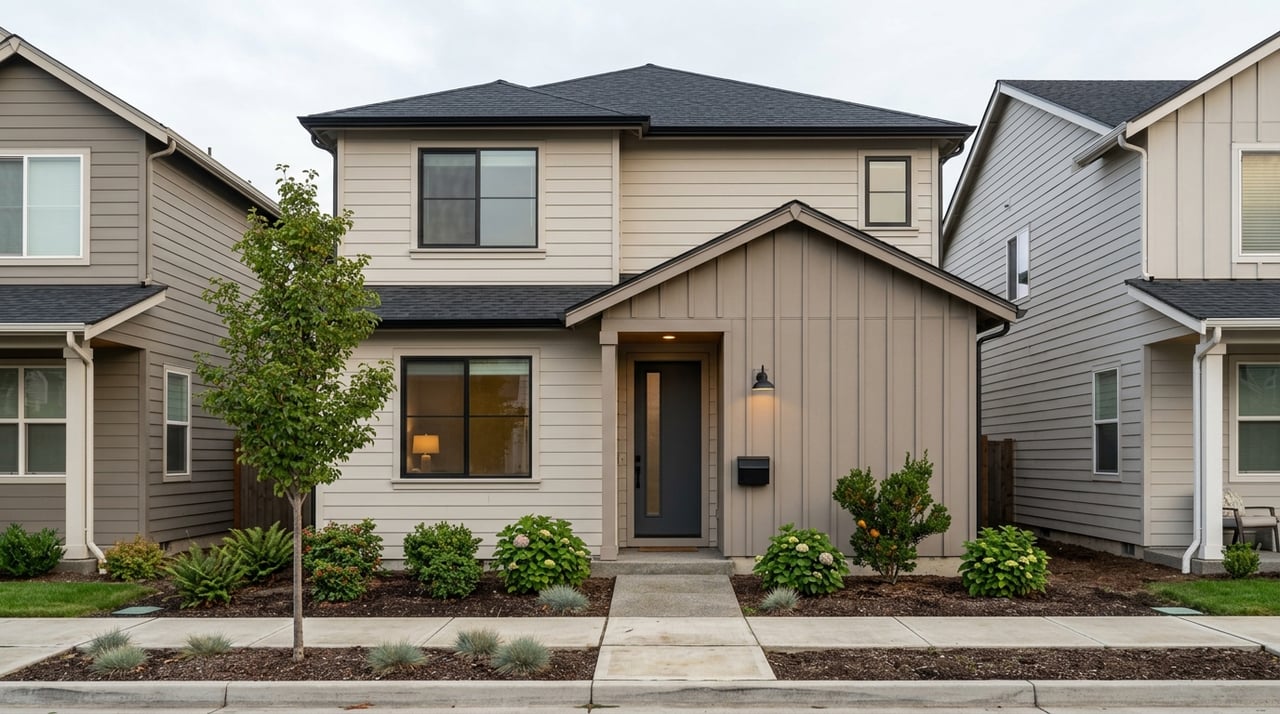
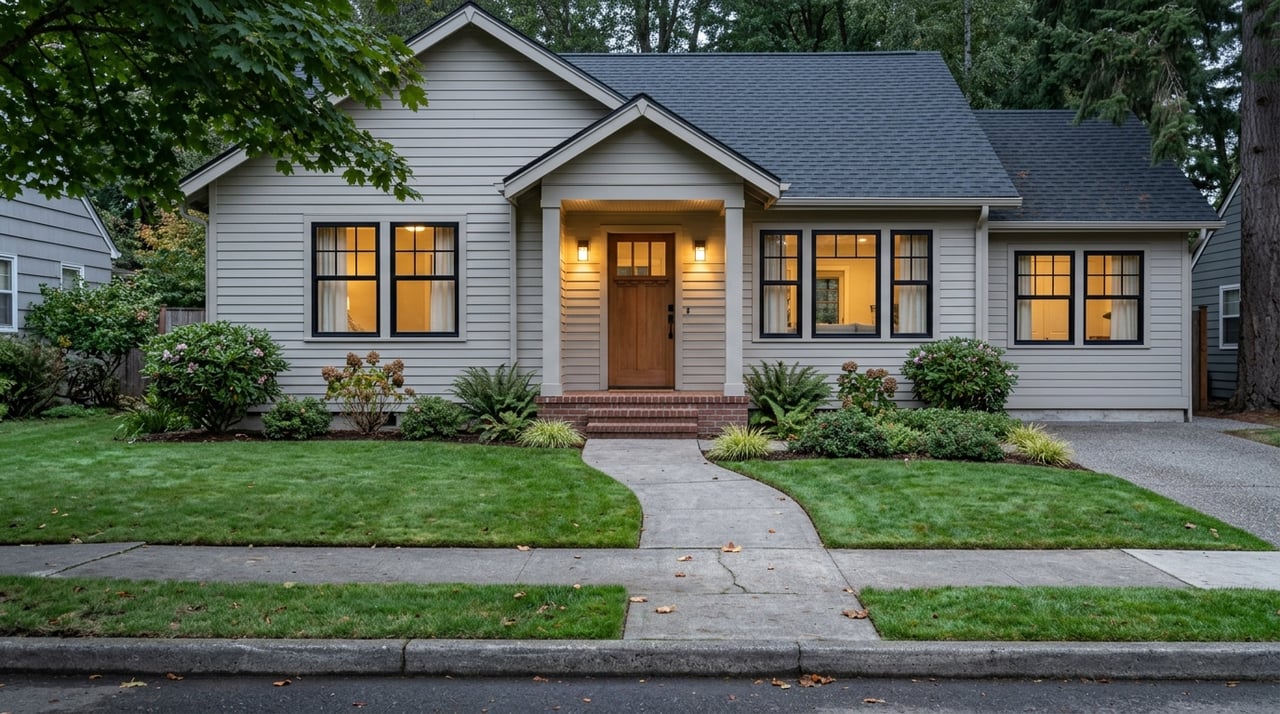
When the market becomes more selective, simple work often delivers the strongest payoff. The most consistently recommended pre-listing steps are decluttering, deep cleaning, and improving curb appeal. Those updates help buyers focus on the home itself instead of distractions.
NAR’s 2025 data also shows that agents commonly recommend painting the entire home, painting one room, and addressing roofing issues before listing. That same report found that 46% of REALTORS believe buyers are less willing to compromise on home condition than in the past. In other words, condition carries more weight now.
Start with decluttering and cleaning
If you are deciding where to begin, start here first. A clean, organized home photographs better, shows better, and often feels larger and brighter in person. It also signals to buyers that the home has likely been maintained with care.
Before listing, focus on:
- Removing excess furniture
- Clearing countertops and open shelves
- Organizing closets and storage areas
- Deep cleaning floors, baseboards, kitchens, and bathrooms
- Washing windows and freshening entry areas
These are not flashy upgrades, but they can change the entire first impression of your home.
Refresh with neutral cosmetic updates
Cosmetic finish work is usually the most practical category of pre-sale improvement. Oregon’s permit guidance notes that painting, cabinets, countertops, and replacing doors or windows without structural changes generally do not require a building permit. That makes these updates easier to complete than last-minute projects involving plumbing, electrical, mechanical systems, or structural work.
For many Beaverton sellers, that means the highest-value prep may be a simple refresh instead of a full remodel. Neutral paint, repaired trim, updated hardware, and clean finishes can help a home feel move-in ready without creating unnecessary delay or cost.
Handle visible maintenance issues
Buyers may forgive dated style more easily than deferred maintenance. If the roof has an obvious issue, if trim is peeling, or if a damaged fixture stands out during a showing, those details can shape a buyer’s overall opinion of the property.
That does not mean you need to renovate everything. It means you should prioritize repairs that affect confidence. When buyers feel unsure about condition, they may hesitate, lower their offer, or move on to another home.
Staging the rooms that matter most
Staging works best when it helps buyers picture how they would use the space. According to NAR’s 2025 Profile of Home Staging, 83% of buyers’ agents said staging made it easier for buyers to visualize a property as a future home. That kind of clarity can be especially important in a market where buyers are comparing many homes online before ever scheduling a tour.
The same report found that staging is most effective in the living room, primary bedroom, and kitchen. If you are being selective about time or budget, those rooms deserve the most attention.
Where to concentrate your effort
A thoughtful staging plan usually starts with the rooms buyers care about first:
- Living room: Create a clear conversation area and highlight light and flow.
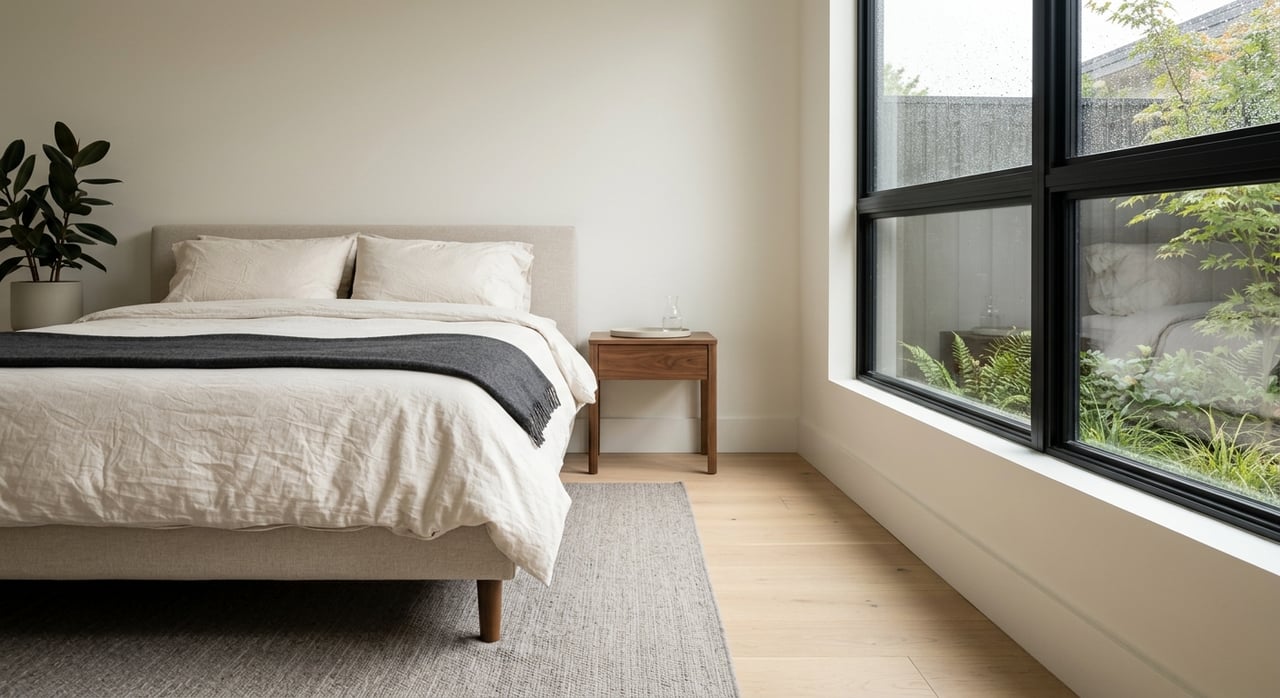
- Primary bedroom: Keep it calm, simple, and spacious.
- Kitchen: Clear counters, reduce visual clutter, and let workspace shine.
This does not have to mean fully redesigning your home. Often, it means editing, rearranging, and simplifying so the layout and features are easier to read.
Presentation matters online first
Most buyers will meet your home online before they ever step through the front door. That makes visual presentation a critical part of your selling strategy. NAR’s staging data shows that buyers’ agents rate photos as highly important at 73%, followed by physical staging at 57%, videos at 48%, and virtual tours at 43%.
That supports a media-rich listing approach, especially in a market like Beaverton where buyers have options. Strong visuals can help your home stand out in search results, encourage more showings, and create a better first impression before a buyer even schedules a visit.
Why polished marketing helps
When your home is clean, staged, and professionally presented, every part of the listing works harder. Photos look sharper. Video feels more compelling. Virtual tours become more useful for buyers relocating or shopping from outside the area.
For sellers, this matters because online presentation can affect how quickly buyers decide whether your home is worth seeing in person. In a changing market, that early attention helps preserve momentum during the first days on market.
Price for today’s market, not last year’s
Pricing is where many sellers gain or lose leverage. Washington County homes most recently sold for 100% of asking price, and Redfin says Beaverton homes generally sell around list price. That is an important signal: realistic pricing is still being rewarded.
In contrast, an optimistic list price can be risky when homes are taking roughly 33 to 45 days to sell. If buyers feel your home is overpriced, they may wait, compare, and move on. Once a listing starts to age, it can lose some of its initial energy.
Use current comps and current timing
A strong pricing strategy should reflect:
- Recent comparable sales
- Similar active competition
- Your neighborhood’s current pace
- Your home’s condition and presentation
- The latest local days-on-market trends
This is where hyperlocal analysis really matters. A home in Sexton Mountain may need a different strategy than a similar home in Triple Creek simply because the pace of the market is different.
What to skip before listing
When sellers get ready for market, it is easy to assume bigger projects always lead to better results. The evidence points in a different direction. The strongest support is for targeted, neutral updates such as painting, cleaning, curb appeal, and addressing roofing concerns rather than large discretionary remodels.
Highly personalized upgrades are often lower priority unless the home has a true functional issue. In many cases, you are better off making the home feel fresh, clean, and easy to picture than starting a major remodel just before listing.
Keep your return in mind
Before spending money, ask whether the project will help buyers feel more confident, see the home more clearly, or remove an obvious objection. If the answer is no, it may not be the best use of your pre-sale budget.
In a more balanced market, the goal is not to over-improve. The goal is to prepare your home thoughtfully so it competes well with current inventory.
Don’t overlook Oregon seller requirements
Preparation is not only about appearance. It also includes getting ready for disclosure and compliance. Oregon law requires sellers to complete, sign, and deliver the seller’s property disclosure statement to each buyer who makes a written offer.
If your home was built before 1978, federal law also requires lead-based paint disclosure. That includes known hazards, available records and reports, the EPA pamphlet, and a 10-day window for an inspection or risk assessment.
Check permit questions early
If you are considering repairs and you are unsure whether a project needs a permit, Oregon advises contacting the local building department. For Beaverton sellers, the city’s Building Division is the local starting point for permit questions.
That is another reason cosmetic work is often easier before listing. It is usually simpler to refresh finishes than to rush a larger project that may involve permits, inspections, or contractor delays.
A smart selling plan for Beaverton
In a changing market, preparation is really about reducing friction. You want buyers to see value quickly, understand the home easily, and feel confident enough to act. That usually comes from a mix of realistic pricing, clean presentation, targeted updates, and strong marketing.
If you are thinking about selling in Beaverton, the best first step is not guessing. It is building a strategy around your home, your neighborhood, and today’s actual buyer behavior. For tailored guidance, polished presentation, and a local pricing strategy built for your home, connect with At Home With Kayla Jones.
FAQs
What is the current housing market like for home sellers in Beaverton?
- Beaverton remains active, but buyers are more selective. Recent data shows a median sale price of $595,173, roughly 33 to 41 days on market depending on the source, and about two offers per home.
What should I do first to prepare my Beaverton home for sale?
- Start with decluttering, deep cleaning, and curb appeal. These are the most consistently recommended pre-listing steps and can improve both showings and online presentation.
Which rooms matter most when staging a Beaverton home?
- The living room, primary bedroom, and kitchen tend to have the biggest impact. Staging these spaces can help buyers picture how they would live in the home.
Should I remodel before listing my home in Beaverton?
- Usually, targeted cosmetic updates make more sense than major discretionary remodels. Painting, cleaning, curb appeal, and visible maintenance repairs often deliver better value before listing.
How important is pricing a Beaverton home correctly from the start?
- It is very important. Washington County homes most recently sold for 100% of asking price, which suggests that realistic pricing aligned with current comps can help preserve interest and momentum.
Do Oregon home sellers need to provide disclosures?
- Yes. Oregon sellers must complete, sign, and deliver the seller’s property disclosure statement to each buyer who makes a written offer. Homes built before 1978 may also require lead-based paint disclosure.