Trying to decide which side of the Willamette to call home can feel like two great options pulling in different directions. You might love the energy and walkability of the inner Eastside, yet crave the larger lots and quiet streets of the West Hills. This guide gives you a clear, side‑by‑side look at prices, housing styles, commute tradeoffs, and daily life so you can choose with confidence. By the end, you’ll have a simple checklist and next steps to focus your search. Let’s dive in.
Eastside vs Westside at a glance
Portlanders often talk about the city in terms of “Eastside” and “Westside.” The Willamette River is the dividing line. Eastside includes NE and SE neighborhoods such as Alberta, Mississippi, Kerns, Buckman, Hawthorne and Division, Laurelhurst, Mt. Tabor, and Sellwood‑Moreland. Westside includes NW and SW Portland, the Pearl, Nob Hill/Alphabet, Goose Hollow, and the West and Southwest Hills. For neighborhood context and borders, explore the city’s official overview of Portland neighborhoods.
Big picture, Eastside living often means closer‑in, older streets with strong retail corridors and a walkable grid. Westside living ranges from condo towers near downtown to hillside homes with larger lots and forested settings.
What you get for your money
Citywide, the typical Portland home value was about $517,800 as of January 31, 2026, according to Zillow’s ZHVI index. Within the city, area medians vary a lot. Realtor.com’s late‑2025 snapshots showed Southeast broadly around $479.5k, Northeast near $499k, and Southwest around $650k, with premium pockets like the Southwest Hills above $1M. RMLS’ metro medians in 2025 hovered in the mid‑$500k range. Data providers use different methods, so treat these as directional and always check the latest month before you write an offer.
Eastside price patterns
On the inner Eastside, many homes in areas like Alberta, Kerns, Buckman, and parts of Hawthorne/Division commonly trade in the $400k to $650k range, with some smaller condos below $400k depending on condition and location. You’ll often see older homes that have been updated, plus newer infill on smaller lots. At similar commute distances, Eastside options often give you more walkability for the price.
Westside price patterns
On the Westside, medians tend to run higher overall. Many areas in SW and select NW neighborhoods see sales at $650k and up, and the West Hills and certain NW pockets often reach $1M or more. Close to downtown, you’ll also find higher‑end condos in the Pearl District and South Waterfront that carry premium pricing tied to amenities and location.
Housing styles and lot feel
Eastside homes and streets
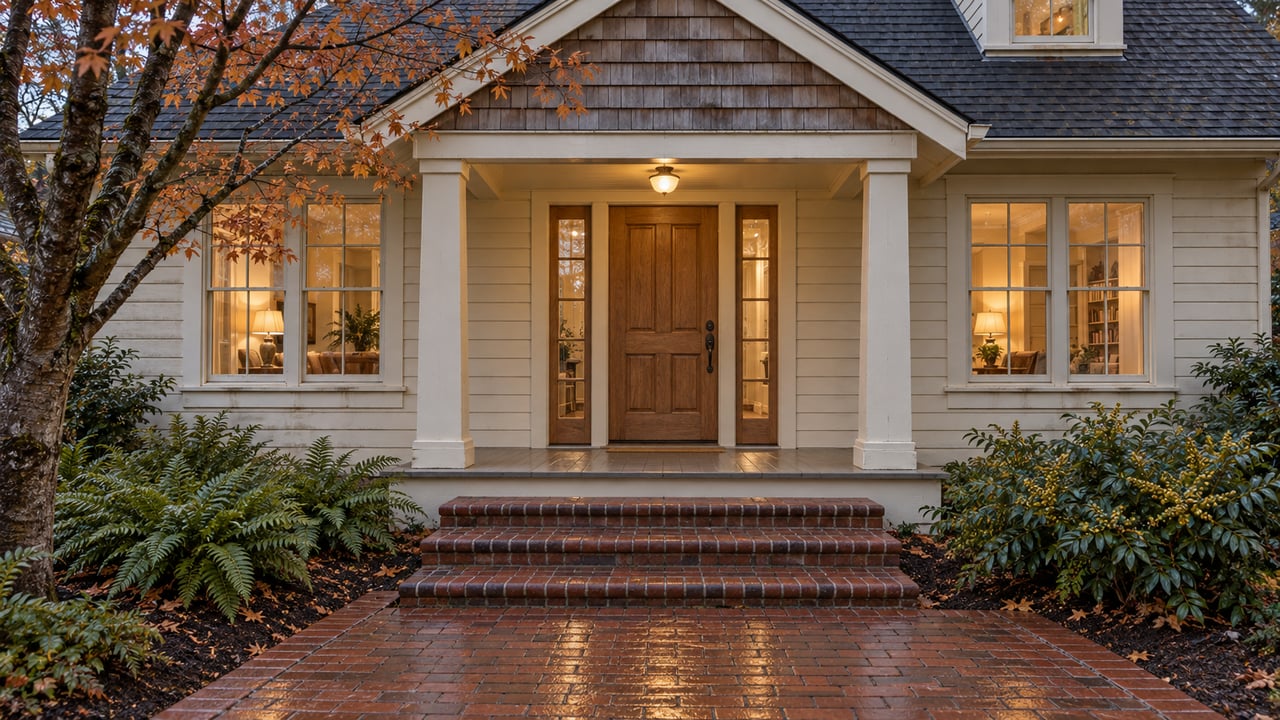
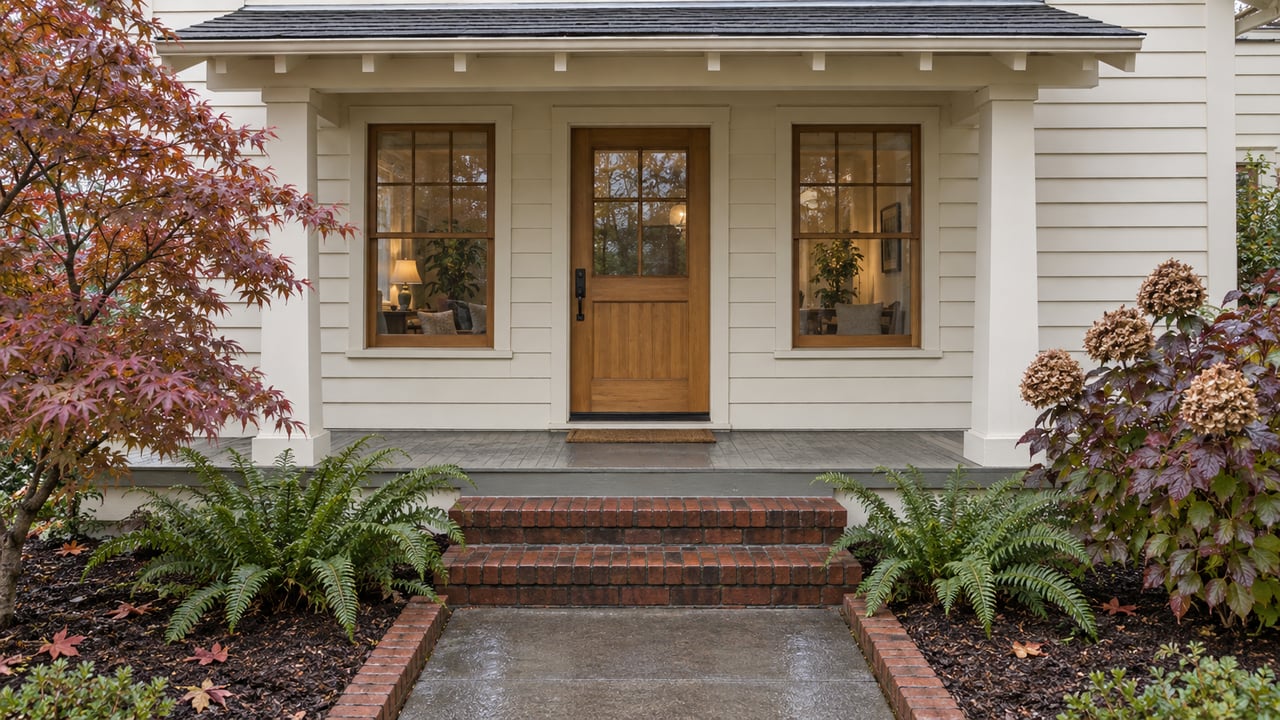
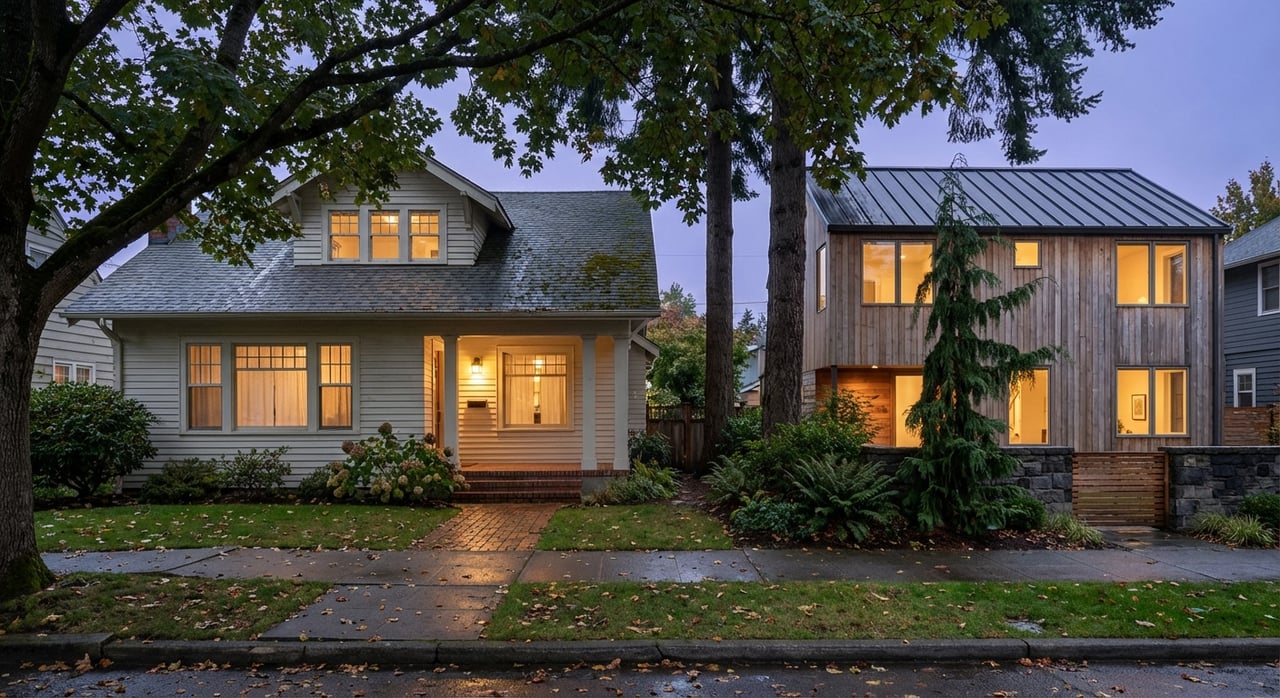
You’ll find a lot of early 20th‑century housing on the Eastside: Craftsman bungalows, cottages, and streetcar‑era homes that line compact, walkable blocks. Closer in, there is also a healthy mix of duplexes, rowhomes, cottage clusters, and small‑lot infill. Many neighborhoods place you steps from independent retail and dining on corridors like Alberta, Division, Hawthorne, Mississippi, and Grand. For a city‑provided overview of how neighborhoods are organized, see Portland neighborhoods.
Westside variety and views
The Westside brings more variety in elevation and lot size. In the West and Southwest Hills you’ll see mid‑century designs, larger traditional homes, and view properties on winding, leafy streets. In NW and downtown‑adjacent areas you’ll find established historic homes near Nob Hill and higher‑end condo living in the Pearl and South Waterfront. Local coverage often frames inner Eastside as trend‑forward and the Westside as polished or residential, which matches what many buyers experience on tours. For a lifestyle lens, Portland Monthly’s features on neighborhood culture offer helpful color on both sides of town. Explore its Spring 2025 issue for context on local “vibe” and districts in one place: Portland Monthly, Spring 2025.
Commute and connectivity
Most Portlanders still drive for work, but not by default. City transportation metrics show roughly 50 to 52 percent of commuters drive alone, based on ACS‑informed reporting. That leaves a large share using transit, biking, walking, or working from home, especially in inner neighborhoods. You can review the city’s mode‑share measures here: PBOT commuting metrics.
Public transit is operated by TriMet and includes MAX light rail, bus, and the streetcar system. Service crosses the river both ways. TriMet has discussed system “efficiencies” and service changes in 2026 tied to budget gaps. If transit access is essential to your routine, confirm current routes and frequency for the lines near any home you are considering and review planned updates on TriMet’s service changes page before you commit.
Work location can be a deciding factor. Major private employers like Intel in Hillsboro and Nike in Beaverton sit along the Westside employment corridor. If you commute to that area, Westside or nearby western suburbs can mean shorter drive times. If your job is downtown, in the Central Eastside, or in a creative or tech cluster near the river, inner Eastside or downtown‑adjacent Westside pockets can offer quick transit or bike access. For regional employer geography and market context, see GREA’s Portland market insights.
Pro tip: Before you fall in love with a house, time your real commute by car, by transit, and by bike during your actual travel window. Travel times in Portland vary by bridge, hill grade, and time of day.
Vibe, parks, and daily life
Eastside energy
If you value small, independent businesses and walkable main streets, the inner Eastside is a strong fit. Alberta and Mississippi bring murals and maker‑driven retail. Division and Hawthorne host some of the city’s most talked‑about restaurants and cafes. Neighborhood parks, community gardens, and places like Mount Tabor create a daily rhythm that feels neighborhood‑first. For culture roundups that mirror what you’ll see on weekends, flip through Portland Monthly’s Spring 2025 issue.
Westside polish and green space
On the Westside, you’ll find polished retail corridors like NW 23rd in Nob Hill and easy access to downtown. The West Hills feel more residential and forested, with larger lots and winding streets. Forest Park, one of the country’s largest urban forests, anchors the west edge of the city and shapes the feel of many NW neighborhoods. If you prize quiet streets, greenery, and city views, the Westside often checks those boxes.
Schools and boundaries
Inside the city, Portland Public Schools (PPS) manages attendance zones and programs across both sides. Boundaries and program offerings can change, so always confirm the assigned schools for any address using the PPS tools before you rely on a map or a listing comment. Start here: Portland Public Schools.
Some westside suburbs outside city limits, such as Lake Oswego and West Linn, often command a price premium tied to suburban amenities and how families perceive public school performance. If schools are your top priority, you can compare options by checking official district pages and state report cards, then weigh those findings against home prices and commute.
Decision guide: match your priorities
Use this quick filter to point your search in the right direction:
- If you want lower entry prices, strong walkability, and a buzzy neighborhood feel: start with inner NE and SE on the Eastside. Expect smaller lots and older homes or newer infill on compact sites.
- If you want larger lots, quieter streets, and higher average property values with views: look in SW and the West Hills on the Westside. Expect higher medians and more elevation.
- If you work on the Westside employment corridor: consider Westside or nearby western suburbs for shorter commutes.
- If you rely on transit or biking: focus on inner Eastside neighborhoods and Westside pockets near MAX, streetcar, or high‑frequency bus lines. Always verify current schedules on TriMet’s service changes page.
- If schools lead your decision: verify assignments through PPS tools for in‑city homes and compare suburban district information when you look outside city limits.
Sample buyer scenarios
The walkability‑first buyer. You want to step out for coffee, hit a neighborhood park, and bike to work downtown. You are comfortable with an older house and smaller yard. Focus on inner NE and SE corridors such as Kerns, Buckman, Boise, Richmond, or Sunnyside. Your tradeoff is less yard and possibly more ongoing maintenance.
The space‑and‑quiet buyer. You want a larger yard and more privacy at home, with easy access to trails and a short drive to groceries. You are open to hills and winding streets. Focus on SW neighborhoods and the West Hills. Your tradeoff is a higher entry price and a commute that may be more car‑oriented unless you live near high‑frequency lines.
The Westside‑worker buyer. You commute to Beaverton or Hillsboro. Your top goal is to cut drive time. Look in SW and NW with easy freeway or arterial access, or consider nearby suburbs to the west. Your tradeoff is that walkability can be more pocket‑specific than corridor‑wide.
How a local buyer’s agent helps
A strong local agent does more than unlock doors. Your agent will map your lifestyle priorities to specific blocks, schedule side‑by‑side neighborhood tours, and run real commute tests at your typical times. They will confirm school assignments through PPS, pull the freshest market data from MLS sources like RMLS summaries, and monitor new, coming‑soon, and off‑market opportunities. When you are ready to write, they will price your offer using relevant closed sales and advise on terms based on current competition. That blend of data and hyperlocal detail helps you avoid surprises and move faster when the right home appears.
Next steps to choose your side
- Write your top five must‑haves and three nice‑to‑haves.
- Shortlist three neighborhoods on each side that fit those goals.
- Tour each area at your real commute time and on a weekend.
- Check transit routes and frequency on TriMet’s service updates page.
- Review the latest market snapshot from a trusted MLS summary like the RMLS monthly Market Action overview to align budget and expectations. Here is an example format for a typical summary page: RMLS Market Action example.
When you are ready to compare options with a clear plan, reach out to At Home With Kayla Jones to schedule a consult and neighborhood tour. We will match your lifestyle to the right streets, confirm the details that matter, and help you buy with confidence.
FAQs
What defines Eastside vs Westside in Portland?
- The Willamette River is the dividing line. Eastside covers NE and SE neighborhoods such as Alberta, Mississippi, Kerns, Buckman, Hawthorne and Division, Laurelhurst, Mt. Tabor, and Sellwood‑Moreland. Westside includes NW and SW Portland, the Pearl, Nob Hill/Alphabet, Goose Hollow, and the West and Southwest Hills. For orientation, see Portland neighborhoods.
Are Eastside homes cheaper than Westside homes?
- On average, broad area medians show Southeast and Northeast trending lower than Southwest. Inner Eastside areas often see many sales in the $400k to $650k range, while SW and West Hills frequently run $650k and above. Always verify current medians before you shop.
Which side is better for commuting to Nike or Intel?
- If you work in Beaverton or Hillsboro, Westside locations usually shorten the drive. Downtown, Central Eastside, or river‑adjacent jobs often favor inner Eastside or downtown‑adjacent Westside pockets for quick transit or bike access. See employer geography in GREA’s Portland insights.
How does transit access differ between sides of town?
- Transit crosses the river and serves both sides, but frequency and route coverage vary by neighborhood. If you rely on transit, confirm the exact lines and schedules for your target address and check planned changes on TriMet’s service changes page.
How do I verify school assignments for a Portland address?
- Use Portland Public Schools’ official tools to confirm the assigned elementary, middle, and high schools for any in‑city address. Start here: Portland Public Schools.
Where can I find current market data for pricing?
- Combine a citywide snapshot with local MLS summaries. Pair the latest city indicator with the most recent RMLS Market Action overview for closed‑sales medians and inventory context. Here is an example page format: RMLS Market Action example.