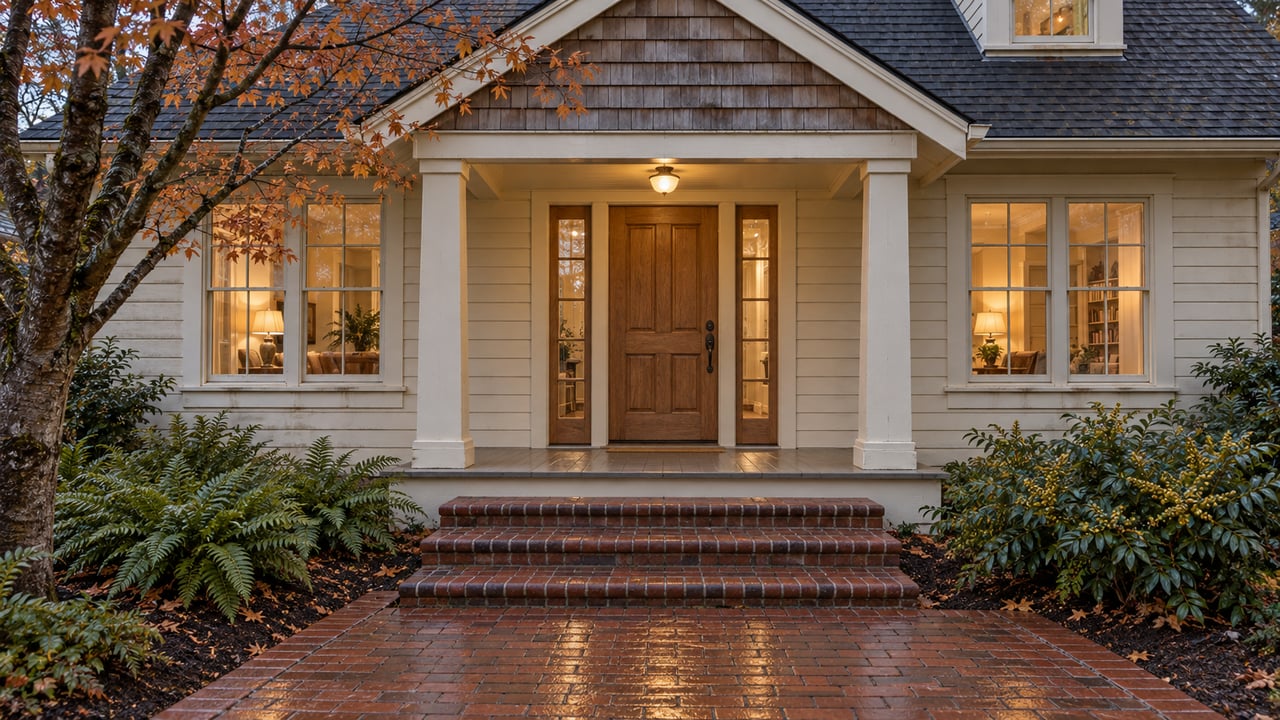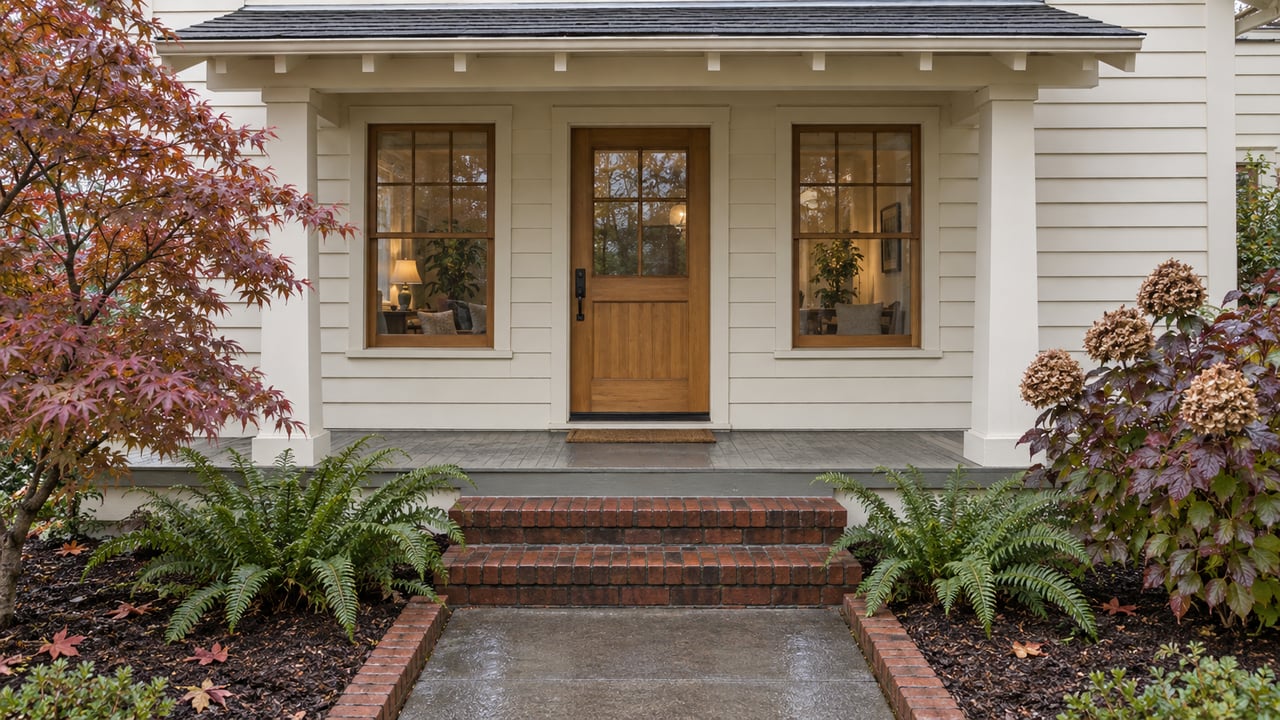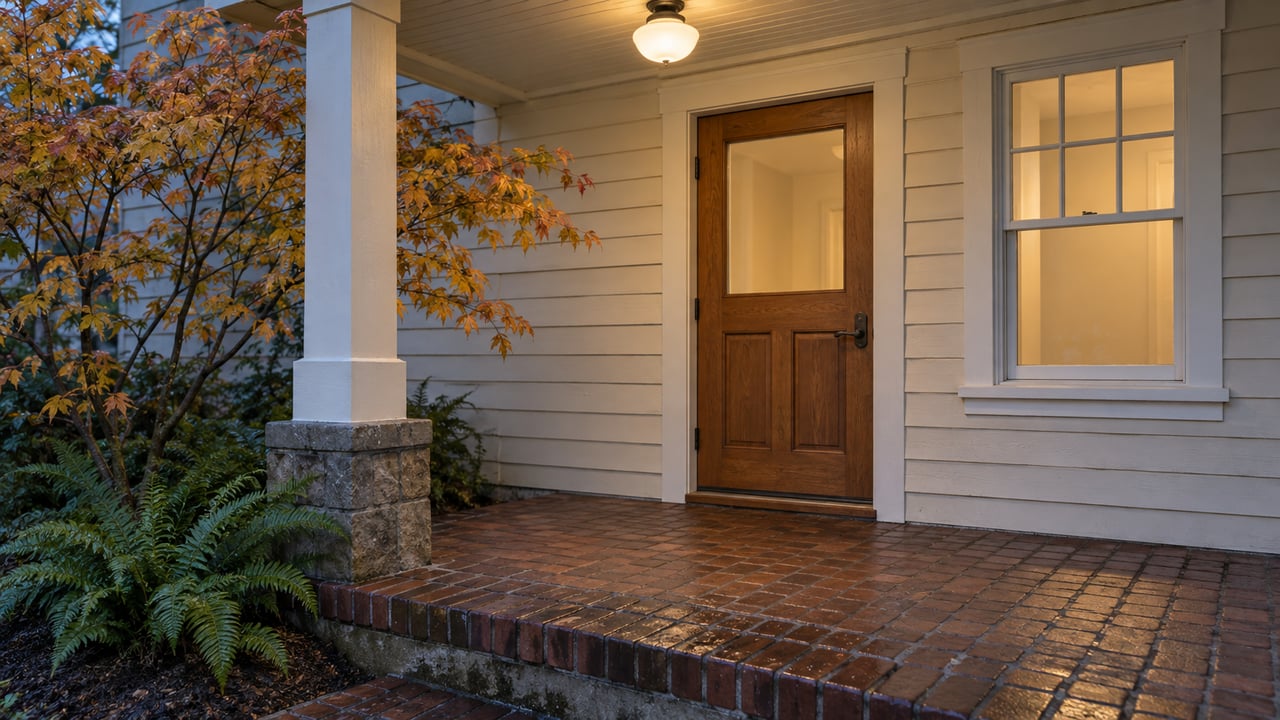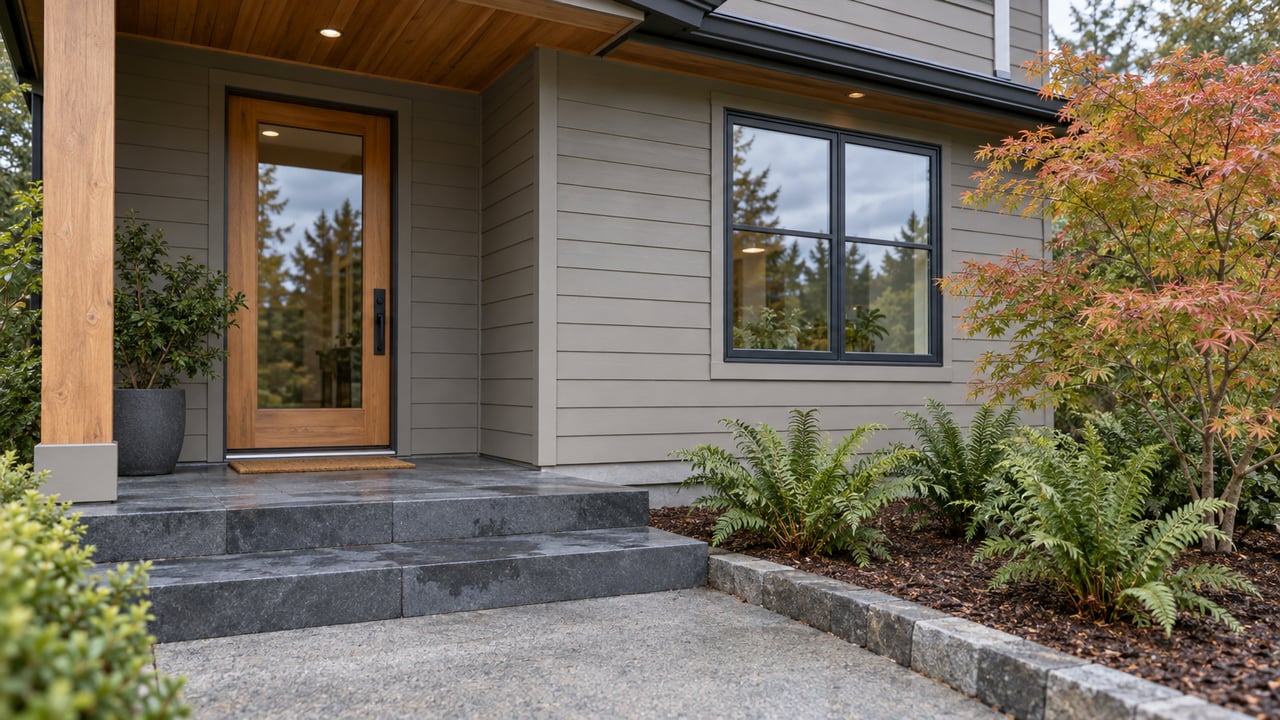
Thinking about leaving Portland but not ready to give up metro access? Wilsonville often lands on that shortlist for a reason. You get a smaller-city feel, a strong park and trail network, and planned neighborhoods with newer housing options, all while staying within reach of Portland. If you’re weighing the tradeoffs, here’s what to know before you make the move. Let’s dive in.
Wilsonville vs. Portland at a glance
A move from Portland to Wilsonville is usually not about finding a bargain. It is more often about finding a different daily rhythm, a different housing style, and a different community scale.
Wilsonville has more than 26,000 residents and sits about 17 miles from downtown Portland. The city highlights its park system, planned town center, and range of housing types, which makes it appealing if you want to stay connected to the metro area without living in Portland itself.
Home prices: higher overall, different value
If you’re moving from Portland to Wilsonville, one of the biggest surprises may be pricing. In March 2026, Portland’s median sale price was $523,862, while Wilsonville’s median sale price was $635,000. That is a difference of $111,137, or about 21.2%.
At the same time, the price per square foot tells a more nuanced story. Portland’s median sale price per square foot was $324, compared with $285 in Wilsonville. In simple terms, that can suggest more space for the money in Wilsonville, though that will vary by property, neighborhood, lot size, and condition.
What that means for your search
If your goal is to lower your monthly payment, Wilsonville may not automatically be the easier option. But if you are looking for a larger home footprint, newer construction areas, or a more suburban layout, Wilsonville may offer a different kind of value.
This is why it helps to compare more than the top-line price. When you look at square footage, lot size, age of home, neighborhood design, and commute patterns together, the move becomes easier to evaluate.
Market pace: slower than Portland
The two markets also move at very different speeds. In March 2026, homes sold in about 19 days in Portland compared with 89 days in Wilsonville.
Redfin described Portland as very competitive and Wilsonville as somewhat competitive. For you as a buyer, that can mean a little more room to think, compare options, and avoid the fast pace that often comes with city inventory. For sellers planning a move out of Portland and into Wilsonville, it also means your sale and purchase timelines may not move at the same speed.
Why timing matters
If you plan to sell in Portland first, your home may attract strong attention more quickly than the Wilsonville home you want to buy. That can be helpful, but it can also create pressure if your next purchase takes longer to line up.
A smart move plan usually looks at both markets together. That includes pricing strategy, timing, and backup options so your transition feels less stressful.
Housing options: variety matters here
Wilsonville’s housing story is not limited to one type of home or one kind of buyer. The city’s housing strategy emphasizes variety, and city materials say there is enough land to accommodate household growth over the next 20 years.
That matters if you want choices. Instead of comparing only older resale neighborhoods, you may also be looking at planned communities and developing areas that offer a different layout, newer infrastructure, and a more connected neighborhood design.
Areas to know in Wilsonville
City materials point to several notable areas:
- Villebois, a mixed-use community planned for more than 2,300 homes
- Frog Pond West, described as one of the city’s next neighborhoods
- Frog Pond East and South, also part of Wilsonville’s future growth areas
Villebois is specifically described as having interconnected roads and trails. If neighborhood design, walkability within the community, and newer housing are on your wish list, that may be especially relevant to your search.
Commute realities: close to Portland, but plan for I-5
Wilsonville is close enough that many people can keep working in the broader metro area. But distance on a map and actual commute experience are not always the same thing.
ODOT says the Wilsonville Boone Bridge corridor has become a bottleneck that slows speeds and reduces travel reliability. If your daily routine depends on Interstate 5, that is one of the biggest practical issues to think through before you move.
What your commute may feel like
The move can work well if you are comfortable planning around traffic patterns or if your schedule is flexible. It can also make sense if you work partly from home or travel to places outside central Portland.
But if you are hoping for a simple, predictable drive every day into the city, you should treat commute testing as a key part of your home search. A home that looks perfect on paper can feel very different once you add your real weekday routine.
Transit options: useful, but commuter-focused
Wilsonville does have transit, but it works differently from Portland. TriMet’s WES commuter rail serves Wilsonville, Tualatin, Tigard, and Beaverton on weekdays during morning and afternoon rush hours, with trains every 45 minutes.
SMART, the city’s transit system, runs most services Monday through Friday from 5:30 a.m. to 8:30 p.m. Routes 4 and 2X also run on Saturdays, and there is no Sunday service.
What that means for daily life
Transit may work well if you have a structured schedule and your route lines up with available service. Wilsonville also has a bus-on-shoulder pilot between the I-205 interchange and Elligsen Road that can help buses move faster than surrounding traffic when speeds drop below 35 mph.
Still, many households will want to plan around driving for at least some trips. If you are used to Portland-style transit coverage, Wilsonville will likely feel more limited and more routine-based.
Schools: a smaller district footprint
For many buyers, school district scale is part of the move conversation. The West Linn-Wilsonville School District covers 42 square miles and lists 9,029 students, 9 primary schools, 4 middle schools, and 3 high schools. The district also reports a 94% on-time graduation rate.
Wilsonville High School is located in the city at 6800 SW Wilsonville Road. By comparison, Portland Public Schools is a much larger PK-12 urban district with more than 44,000 students in 81 schools.
Why district size can shape your decision
The key difference here is scale. Wilsonville’s school environment is more localized, while Portland’s district is much larger and more complex.
If you are thinking about your daily routine, school assignment simplicity, or how many options exist within a district, that smaller scale may be part of Wilsonville’s appeal. It is not automatically better or worse. It is simply a different setup that may fit your household more closely.
Parks, trails, and everyday lifestyle
One of Wilsonville’s strongest selling points is how much emphasis the city places on parks, trails, and civic spaces. The city highlights 15 parks on more than 200 acres, along with a public library holding more than 100,000 volumes and a summer event calendar that includes outdoor movies, concerts, a beer festival, an arts festival, and a cycling race.
That gives Wilsonville a lifestyle edge for buyers who want outdoor access and community amenities close to home. You may not get Portland’s urban energy, but you do get a city that appears to be intentionally built around connected, everyday livability.
Parks and places to know
A few notable examples include:
- Town Center Park, a 5-acre urban park used for public special events
- Memorial Park, 120 acres with an extensive trail system and one-half mile of Willamette River frontage
- Graham Oaks Nature Park, 250 acres with miles of walking and cycling paths
The city’s Town Center Plan also describes Town Center as a walkable, mixed-use district. SMART says residents should be able to walk or bike to parks, schools, commercial areas, employment centers, and transit stops, which reflects a clear planning focus on connected suburban living.
Is Wilsonville a good fit for you?
Wilsonville may be a strong fit if you want to stay in the Portland metro while shifting toward a smaller-city environment. It offers a substantial park system, a more localized school district structure, and a pipeline of newer or developing housing areas.
At the same time, it is important to go in with clear expectations. Wilsonville is generally a trade-off market, not a discount market. You may pay more overall, experience a slower housing market, and rely more on driving or a commuter-style transit routine.
How to decide before you move
If you are seriously comparing Portland and Wilsonville, focus on the factors that affect your day-to-day life most:
- Your true housing budget, not just your target price
- Commute patterns and tolerance for I-5 congestion
- Whether you want newer housing or established Portland neighborhoods
- How important parks, trails, and civic amenities are to your routine
- Whether a smaller, more localized district setup matters to your household
- How much you rely on all-day transit versus driving
The right move is usually less about which city is “better” and more about which one fits your lifestyle. That is where local context makes a big difference.
If you’re weighing a move from Portland to Wilsonville and want help comparing neighborhoods, commute tradeoffs, and home options, At Home With Kayla Jones can help you build a plan that fits your goals.
FAQs
What is the typical home price difference between Portland and Wilsonville?
- In March 2026, Portland’s median sale price was $523,862 and Wilsonville’s was $635,000, making Wilsonville about $111,137 higher.
Is Wilsonville less competitive than Portland for homebuyers?
- Yes. Redfin described Portland as very competitive and Wilsonville as somewhat competitive, and homes took about 19 days to sell in Portland versus 89 days in Wilsonville in March 2026.
What is the commute from Wilsonville to Portland like?
- Wilsonville is about 17 miles from downtown Portland, but Interstate 5 and the Wilsonville Boone Bridge corridor can affect travel speed and reliability.
Does Wilsonville have public transit for Portland-area commuters?
- Yes. WES commuter rail serves Wilsonville on weekdays during rush hours, and SMART provides local transit service mostly Monday through Friday, with limited Saturday service and no Sunday service.
What kinds of neighborhoods and housing areas are growing in Wilsonville?
- City materials highlight Villebois, Frog Pond West, and Frog Pond East and South as important housing areas, with Villebois planned as a mixed-use community with more than 2,300 homes.
What is everyday lifestyle like in Wilsonville compared with Portland?
- Wilsonville offers a smaller-city setting with 15 parks, more than 200 park acres, trails, a public library, and community events, while Portland remains the larger and faster-moving urban market.