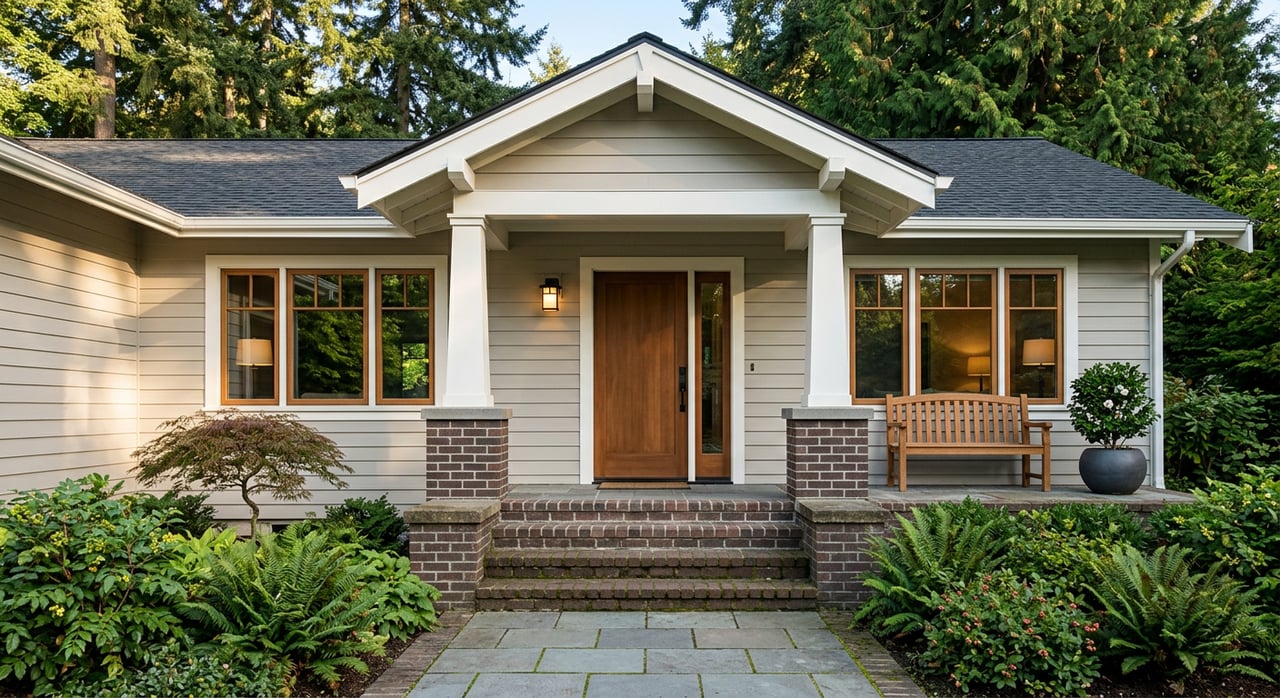
Is your Portland home getting the attention it deserves online? In a market where listings can take several weeks to go pending, how you present and distribute your home matters as much as where you price it. You want a plan that creates buzz on day one, drives more showings in the first two weeks, and supports strong offers.
This guide breaks down a proven, media-first strategy for Multnomah County sellers. You will learn which marketing moves deliver the biggest impact, how to time your launch, what realistic costs look like, and how to vet an agent’s plan with confidence.
Let’s dive in.
Portland market reality in 2026
Recent snapshots place Multnomah County’s median sale price in the low-to-mid $400,000s, with a typical time-to-pending of roughly four to eight weeks. Inventory has run higher in parts of 2025–2026 than the 2020–2022 period, and some property types move faster than others. Local reporting points to single-family homes in many suburbs performing better than central-city condos, which stayed softer through 2025. You can see that theme echoed in local RMLS summaries that note higher inventory and longer market times as a key storyline for the metro area. For context, review a recent market action update highlighting these patterns in Portland metro data: RMLS Market Action commentary.
Why does this matter for your marketing? Because most buyers start online and decide which homes to tour based on the visuals and digital experience. In national surveys, a majority of buyers found the home they purchased on the internet, and they consistently rate photos, floor plans, and virtual experiences among the most useful tools in their search. See the latest buyer behavior highlights in NAR’s quick real estate statistics.
The pillars of an elevated listing strategy
Preparation and staging that sell
Staging helps buyers picture themselves living in your home. In national surveys, a large majority of buyer’s agents say staging improves that visualization. Seller-side agents frequently report faster sales and, in a meaningful share of cases, higher offers when staging is used. NAR’s 2025 findings note that about three in ten agents saw a 1–10% uplift in offers and nearly half said staging shortened time on market. Explore those outcomes in NAR’s report on staging and sale prices.
For Portland, where inventory can be elevated and certain segments like downtown condos have been softer, staging helps your listing stand out and neutralize buyer objections. Focus on the rooms that influence decisions most: the living room, primary bedroom, and kitchen. NAR outlines practical prep tips and room priorities here: NAR staging resources.
Costs vary by property size and scope. Industry reporting places many traditional staging projects for an occupied, modest home in the low-thousands range, with specific quotes depending on rental duration and furnishings. For a sense of common ranges discussed in the trade press, see this summary referenced in the Wall Street Journal: staging cost benchmarks. Virtual staging is far less expensive per image and can be an effective complement when the home is vacant or the budget is tight.
Bottom line: staging returns are market- and price-specific. It works best when pricing is accurate and the design choices solve real buyer concerns, like small rooms or dated finishes.
Professional photography and listing video
Most buyers scroll listings before they ever set a showing. Strong, editorial-quality photography earns more clicks, more saves, and more tour requests. Industry analyses indicate that professionally shot listings often sell faster and can capture stronger results than listings with phone photos. NAR’s research underscores how central online presentation is in today’s buyer journey. Review the online-first patterns in NAR’s quick statistics and a vendor perspective on engagement gains from pro media here: how professional photography helps homes sell faster.
What to look for when vetting an agent’s media plan:
- Recent, full galleries for comparable homes, not just highlight reels.
- A clear photo count target and shot list, including drone or twilight if the property benefits.
- A short, 60–90 second video that works on social and embeds cleanly on your listing page.
Budget-wise, pro photography packages often start in the low hundreds depending on the scope and add-ons. Many agents include core photography in their listing services, so ask exactly what is covered and what is optional.
3D tours and floor plans that build confidence
Interactive 3D tours and measured floor plans help buyers understand layout and flow before they visit, which reduces wasted showings and can attract confident, out-of-area offers. Vendor and platform data show tours increase engagement and lead quality. For a deeper look at how immersive media supports buyer decision-making, see this perspective: Matterport on digital twins and engagement.
Buyers also say floor plans and accurate measurements are among the most useful listing features. That is consistent with national survey findings summarized in NAR’s quick statistics. Include a clear, measured plan in your launch package whenever possible.
Practical tip: embed the 3D tour and floor plan on your listing page and ensure they syndicate wherever accepted so buyers see the same high-quality experience across channels.
Virtual staging and clear disclosure
Virtual staging is a cost-effective way to show how a space can live. It is especially helpful for vacant rooms or when a quick refresh is needed. Prices often run from tens to low-hundreds per image depending on the provider and licensing. If you use virtual staging, make sure the listing clearly labels edited images where required. That transparency protects you and aligns with MLS and portal rules. Learn more about best practices here: virtual staging disclosure guidance.
Digital reach and syndication that break through
Your MLS entry remains the backbone of exposure, but a complete plan pushes your listing across multiple touchpoints: major consumer portals, your agent’s website, brokerage channels, targeted social ads, email to local agents and buyers, and neighborhood platforms. In recent national surveys, 51% of buyers found the home they purchased online, which makes distribution a critical lever. See the overview in NAR’s quick statistics.
Syndication policies can change and vary by brokerage and MLS. Ask for a written plan that lists exactly where your property will appear, how paid promotions will be targeted, and how “coming soon” timing will be handled. For context on how listing distribution continues to evolve, review this industry perspective: WAV Group on listing data and syndication.
A launch timeline that drives momentum
Portland buyers tend to focus on new listings in the first two weeks, so your launch should feel complete and compelling on day one. Here is a practical sequencing roadmap you can tailor with your agent.
2–14 days before listing
- Declutter, address minor repairs, and refresh landscaping and curb appeal.
- Decide on physical or virtual staging and finalize the shot list for media.
- Schedule professional photography and 3D capture after prep is complete.
- If helpful, complete pre-list inspections or gather disclosures so buyers can move decisively. For more prep tips and room priorities, review NAR’s staging guidance.
Day 0: launch complete, not partial
- Publish the full photo set, floor plan, 3D tour, and a 60–90 second video at activation.
- Ensure the listing is live in the MLS and syndicating to all selected channels the same day.
- Host a polished listing page on your agent’s site to centralize the media and info.
Days 0–14: the heavy marketing window
- Run targeted social ads with radius and interest targeting aligned to likely buyers.
- Email the brokerage network and local agents who work your property type and area.
- Consider a broker preview and a well-promoted public open house if appropriate.
- Track views, saves, click-throughs, and showing requests to gauge traction. Online engagement metrics matter because most buyers screen homes digitally first. See that pattern summarized in NAR’s quick statistics.
Days 14–30: optimize or pivot
- Review feedback, showing counts, and portal analytics with your agent.
- If momentum is light, consider a creative refresh such as a new hero photo, a revised video cut, or stronger paid amplification.
- If data signals a pricing issue, address price alignment first. Marketing amplifies a strong price strategy; it does not compensate for a mispriced home. That theme has been consistent in local guidance that highlights higher inventory and longer times in certain segments; review context here: Portland metro market notes.
What to expect for costs and ROI ranges
Every property is different, but industry reporting provides helpful guideposts:
- Staging (physical). Many occupied-home projects land in the low-thousands, with scope and rental duration driving totals. NAR survey data shows many agents reporting faster sales and a 1–10% uplift in offers in a significant share of cases. See the outcomes and context in NAR’s staging report and cost benchmarks noted in the WSJ-sourced summary.
- Virtual staging. Often tens to low-hundreds per image. Always disclose edits per MLS and portal rules. Guidance here: virtual staging and disclosure.
- Professional photography. Common packages start in the low hundreds depending on scope; quality images correlate with stronger engagement and faster sales in many datasets. See a vendor’s analysis on performance benefits: pro photography insights.
- 3D tours. Capture costs often run from the low-hundreds to several hundreds depending on size and features. Vendors and platforms report higher engagement and better-qualified leads. Context here: Matterport engagement overview.
- Paid distribution. Small, targeted test budgets can lift local visibility. Scale up if you need reach into relocation hubs. Request examples and reporting before you commit.
A helpful perspective: even a modest professional package that includes high-end photos, a floor plan, and a 3D tour is often less costly than one or two months of carrying costs if your home lingers. In a market where the first two weeks are critical, these assets function like insurance for your timeline and net.
How At Home With Kayla elevates your listing
You deserve more than a sign and an MLS entry. You deserve a boutique, media-forward approach backed by deep local knowledge. At Home With Kayla blends neighborhood expertise across Portland and close-in suburbs with an elevated presentation that attracts both local and out-of-area buyers.
What you can expect:
- Pricing and positioning informed by local, neighborhood-level insight.
- Multimedia-first listings that leverage professional photography, video, and virtual tours to showcase your home at its best.
- A polished listing experience on a modern, IDX-powered site that buyers trust and engage with.
- Broad, strategic distribution across MLS, brokerage channels, and targeted digital placements.
- Clear reporting and data-driven adjustments in the critical first weeks.
Ready to see how this strategy would work for your address? Reach out for a tailored plan and a data-backed conversation about timing, pricing, and presentation.
If you are planning to sell this season, now is the moment to get your pre-list work and media on the calendar. To start, connect with At Home With Kayla Jones for a pricing discussion and to request a Home Valuation.
FAQs
Do staging and prep actually raise my Portland home’s sale price?
- NAR reports many agents see a 1–10% uplift in offers and faster sales with staging, especially when you prioritize high-impact rooms and pair staging with accurate pricing. See the findings in NAR’s staging report.
How long should I expect my Multnomah County home to take to sell in 2026?
- Recent snapshots suggest roughly four to eight weeks is common, with variation by price point, condition, and property type; single-family homes often move faster than central-city condos in the current environment.
Are 3D tours and floor plans worth it for a Portland listing?
- Yes; buyers rate these tools as very useful, and vendors report higher engagement and better-qualified leads, which can reduce wasted showings and support faster, more confident offers.
What should I ask an agent before I sign a listing agreement in Portland?
- Request a written plan detailing deliverables (photos, video, 3D, floor plan), where the listing will appear, examples of recent analytics, who covers vendor costs, and a pre-list and launch timeline; sellers value strong marketing per NAR’s buyer and seller trends overview.
Can great marketing overcome an overpriced Portland listing?
- No; excellent marketing amplifies a well-priced home but cannot reliably fix mispricing, especially with higher inventory and longer times in some segments of the Portland metro market.