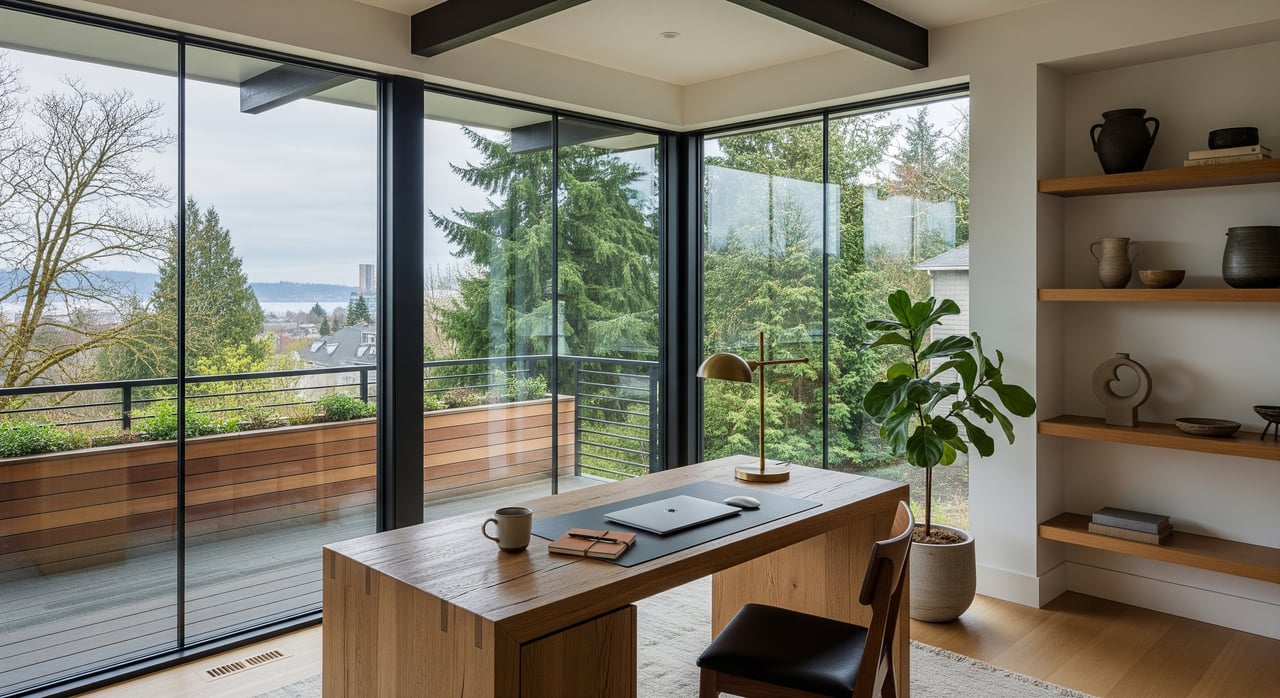
Working from home in Portland can be a dream if your neighborhood supports the way you work. Maybe you want a quiet spare room for video calls, or you thrive near great coffee and a short bike ride to the office a couple days a week. Either way, where you live shapes how productive and energized you feel. In this guide, you’ll compare top Portland areas through a remote-work lens so you can match your lifestyle with the right fit. Let’s dive in.
How to choose your Portland base
Home office and space
Your day flows better when you have a dedicated spot to focus. Single-family homes in many Eastside and Southeast neighborhoods often have extra rooms, basements, or attics that convert well into offices. Condos and lofts close to downtown trade space for walkability and amenities. Decide if you want square footage at home or easy access to strong “third places” like cafes and coworking.
Internet and reliability
A fast, stable connection is non-negotiable. Availability varies block by block, so check your exact address using the FCC Broadband Map. Cable internet is common, with fiber available in select areas. If your work depends on uploads and live calls, consider business-class plans and keep a mobile hotspot as backup.
Walkability and work spots
If you like a change of scenery, look for neighborhoods dense with coffee shops, bakeries, and libraries. Walkable corridors make it easy to rotate between home and third places. For a quick snapshot of daily convenience, review a neighborhood’s Walk Score and spend time there during weekday work hours.
Transit and bike options
Hybrid schedule? Proximity to the MAX, Portland Streetcar, and frequent bus lines keeps in-office days simple. Start with TriMet schedules and maps and layer in your preferred commute time. If you bike, the Portland Bureau of Transportation publishes resources to help you plan safe routes.
Lifestyle and parks
Access to green space can reset your day. Portland’s park system offers great options for midday walks or post-work runs. Pay attention to where you’ll grab groceries, take kids to a playground, or meet friends on weekends. The right mix helps you unplug when the laptop closes.
Budget and tradeoffs
Think in terms of tradeoffs. Inner urban areas deliver walkability and third places, while outer or farther-flung neighborhoods often deliver more space for the price. Decide your top two priorities, then filter options to match.
Top Portland neighborhoods for remote workers
Pearl District and Downtown
- Why it works: Extremely walkable with many cafes, restaurants, and coworking options. Streetcar and MAX access make hybrid days easy.
- Housing: Condos and lofts with modern finishes, often smaller floorplans.
- Best for: You value urban energy and can keep your office setup compact.
- Tradeoffs: Higher prices and livelier streets with less private outdoor space.
Northwest (Nob Hill and NW 23rd)
- Why it works: Boutique shopping and a strong coffee scene, plus quick access to downtown by bus or short drive.
- Housing: Mix of older apartments, rowhouses, and detached bungalows. Some homes offer extra rooms for an office.
- Best for: You want a neighborhood feel with robust dining and café choices.
- Tradeoffs: Higher prices and busier main streets at peak times.
Inner East and Northeast (Kerns, Irvington, Beaumont-Wilshire, Laurelhurst)
- Why it works: Classic residential blocks near lively commercial corridors, good bike routes, and bus lines.
- Housing: Craftsman and bungalow homes with yards and flexible rooms for an office. Some mid-density apartments near shops.
- Best for: You want quiet streets, room to spread out, and quick trips to central hotspots.
- Tradeoffs: Mid to higher price points in premium pockets. Broadband quality can vary by block, so verify by address.
Southeast (Hawthorne, Belmont, SE Division)
- Why it works: Vibrant café culture and creative energy, with strong walk and bike vibes.
- Housing: Craftsman homes, duplexes, and newer infill that often outsize downtown condos.
- Best for: You want character, community, and lots of third places for workdays.
- Tradeoffs: Some sections are busier and parking can be tight.
Southern neighborhoods (Sellwood-Moreland, Woodstock, Mt. Tabor)
- Why it works: Calmer streets, nearby parks, and larger homes that make true home offices easy.
- Housing: Older single-family homes with yards, plus some newer infill, often more affordable for the space.
- Best for: You prioritize interior space and outdoor access.
- Tradeoffs: Fewer coworking hubs and longer trips to downtown.
N/NE Arts Corridor (Alberta Arts, King, Vernon)
- Why it works: Walkable main street with independent coffee and creative venues. Great for meeting local makers and tech-adjacent professionals.
- Housing: Mix of single-family homes and small apartment buildings.
- Best for: You want an arts-forward scene with plenty of local amenities.
- Tradeoffs: Street-level noise near Alberta Street and variable broadband by block.
St. Johns
- Why it works: Community vibe with a growing café scene and relatively more attainable housing compared to some inner areas.
- Housing: Historic homes and many single-family options that allow office conversions.
- Best for: You want value and a small-town feel within the city.
- Tradeoffs: Longer transit or drive times to central employment hubs and fewer coworking spots.
Montavilla, Roseway, Madison South
- Why it works: Good balance of space and price with a developing food and coffee scene.
- Housing: Older bungalows plus newer development that expands options for dedicated office space.
- Best for: You want more square footage without going far from city conveniences.
- Tradeoffs: Fewer coworking choices than inner neighborhoods, though amenities continue to grow.
Forest Park, West Hills, Southwest residential pockets
- Why it works: Privacy and instant access to nature that supports deep work and restorative breaks.
- Housing: Larger, often higher-priced single-family homes.
- Best for: You prefer quiet, green surroundings and a dedicated office.
- Tradeoffs: Sparse café and coworking options and longer commutes.
Quick picks by work style
Third places for laptop days
- Very high: Pearl District, NW 23rd, Hawthorne/Belmont/Division
- Good: Alberta Arts, Kerns
- Developing: Montavilla, Sellwood-Moreland
Most space for the price
- St. Johns, Montavilla/Roseway/Madison South, select pockets of Woodstock and outer Southeast
Best hybrid commute flexibility
- Pearl District and Downtown for Streetcar/MAX access
- Northwest and Inner East for frequent bus lines and bike routes
Should you rent or buy for a home office?
Renting gives flexibility if your job or office schedule may change. Buying can be smart if you want stable monthly costs and space you can tailor to your work. If you plan to create a dedicated office or an ADU, review permitting and zoning rules with the Portland Bureau of Development Services. Whichever path you choose, confirm internet options at the address and factor any upgrade costs into your budget.
Make your short list actionable
- Verify internet by address: Check the FCC Broadband Map for providers, speed tiers, and technology types.
- Map commute days: Use TriMet schedules and maps to compare your likely routes at the times you travel.
- Test walkability: Review Walk Score, then spend a weekday morning and afternoon on-site to sample noise and foot traffic.
- Preview bike options: The Portland Bureau of Transportation can help you identify safer cycling routes.
- Explore third places: Browse Portland listings on Coworker.com and star nearby cafes you’ll actually use.
- Research public safety data: Review official reports from the Portland Police Bureau and visit during hours you expect to be out.
Ready to find your fit?
You deserve a home that supports the way you work and live. From walkable condo hubs to quiet streets with room for a studio, I’ll help you compare neighborhoods through a remote-work lens, verify internet options, and tour homes virtually or in person. When you’re ready to take the next step, connect with At Home With Kayla Jones to map a plan and start your search with confidence.
FAQs
What Portland neighborhoods are best for fast internet?
- Availability varies by address. Cable is common citywide, and fiber is available in select pockets. Verify your exact location with the FCC Broadband Map and consider business-class plans if you rely on uploads and live video.
Which areas work well if I commute 2–3 days a week?
- The Pearl District, Downtown, and parts of Northwest and Inner East offer strong access to MAX, Portland Streetcar, and frequent bus lines. Check timing on TriMet schedules and maps for your specific commute window.
Where will I find the most cafes and coworking options?
- Pearl District, NW 23rd, and the Hawthorne/Belmont/Division corridor have the highest density of third places. Alberta Arts and Kerns are also good, while Montavilla and Sellwood-Moreland are growing.
How do ADU or office renovations work in Portland?
- Portland is generally supportive of ADUs, but requirements depend on your property. Start with the Portland Bureau of Development Services to review current rules and permits before planning.
Is St. Johns too far for hybrid work?
- It can be if you need fast downtown access. Many choose it for value and community, but plan for longer bus or drive times and test your route using TriMet during the hours you expect to travel.
How can I compare walkability between neighborhoods?
- Use Walk Score to get a quick read on daily convenience, then ground-truth it by visiting during typical work and errand times to see how it feels in real life.