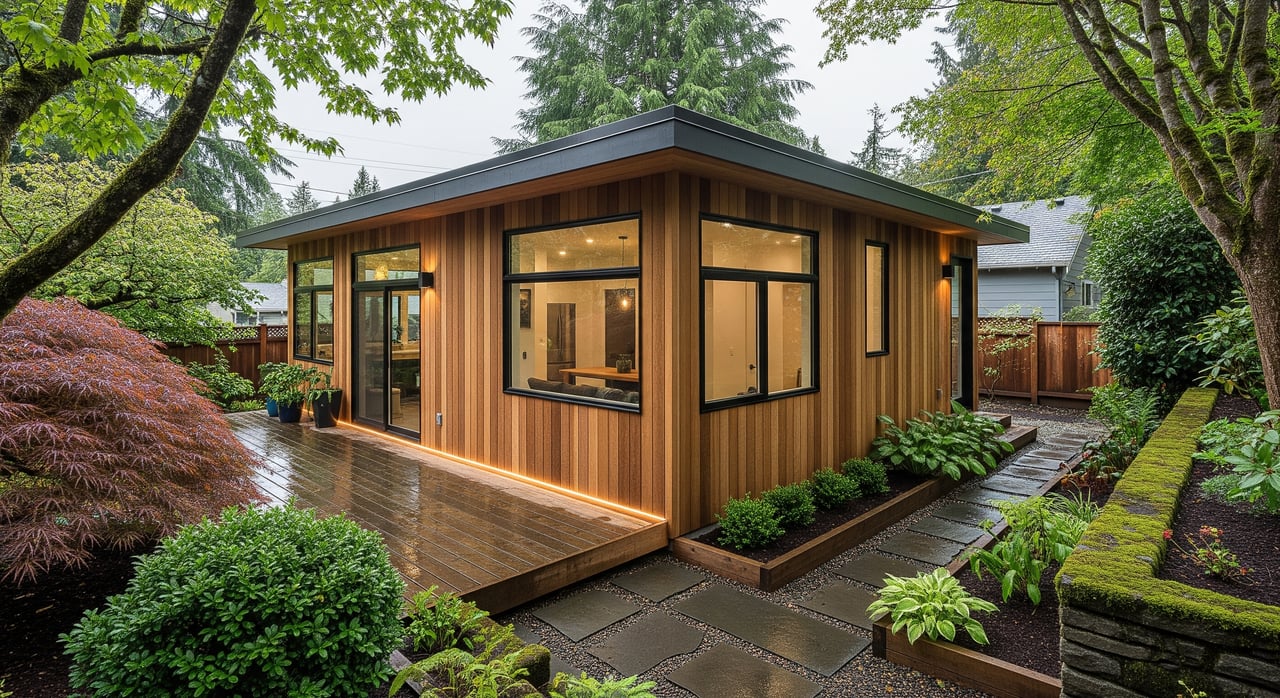
Thinking about an accessory dwelling unit in Portland to create flexibility or supplemental income? You’re not alone. Many buyers look at ADU potential to support multi‑generational living, offset a mortgage, or add a private studio or office. In this guide, you’ll learn what counts as an ADU in Portland, how permits and rules work, what to look for during a home search, and how ADUs can affect financing and resale. Let’s dive in.
What an ADU means in Portland
An accessory dwelling unit is a secondary living space on the same lot as a primary home. It has its own kitchen, sleeping area, and bathroom so someone can live there independently.
Common forms include:
- Internal ADU: A conversion of a basement, attic, or portion of the existing house.
- Attached ADU: An addition connected to the main home with a separate entrance.
- Detached ADU: A separate small structure, often called a cottage or DADU.
Some properties have separate addresses or meters, but these are not always required. Utility service arrangements vary by provider and project.
Why buyers consider ADUs here
ADUs offer flexibility and can serve several needs over time.
- Multi‑generational living for parents, adult children, or a caregiver.
- Long‑term rental for stable supplemental income.
- Private workspace or studio separate from daily household life.
- Short‑term rental in some situations, subject to separate city rules.
Pros include adaptable living, potential income, and broader market appeal when you sell. Cons include more maintenance, tenant screening and management, and uncertainty around costs, permits, and neighborhood compatibility.
Portland permitting basics to know
ADUs are permitted in many Portland residential zones, but your project must comply with building and zoning rules. Key public agencies include the City of Portland Bureau of Development Services for permits and inspections, the Portland Housing Bureau for programs and resources, PBOT for street access and parking topics, the Multnomah County Assessor for property tax questions, and the Oregon Department of Land Conservation and Development for state-level guidance.
Permit triggers and typical approvals
New detached cottages, attached additions used as ADUs, and internal conversions that change occupancy typically require building permits and plan review. Most projects also need electrical, plumbing, and mechanical permits. If you remove or alter an existing accessory structure or affect structural systems, you should expect additional permits and inspections.
Zoning, overlays, and site constraints
Even if zoning allows ADUs, development standards still apply. Properties must meet rules for setbacks, height, lot coverage, and sometimes floor area in certain areas. Overlay zones, like historic, environmental, or design overlays, can add more restrictive standards and review by designated commissions. Private HOA rules or CC&Rs may also limit or prohibit ADUs, even when the city allows them, so you should check those documents early.
Parking and transportation
Portland has reduced many parking minimums for ADUs over time. That said, street access, curb cuts, driveway standards, and certain overlays may still affect feasibility. Parcel‑specific questions are best answered by checking with the city and transportation authorities.
Utilities, sewer, and stormwater
ADUs require careful planning for water, sewer, gas, and electrical service. Capacity and connection locations can influence cost. New structures or added impermeable area can trigger stormwater management requirements, which might include on‑site infiltration or other approved solutions. If a property uses a septic system, county and state septic rules apply.
Fees and timelines
Plan for building permit fees and possible impact charges. Fee schedules, exemptions, and program incentives change over time, so confirm the current policies before you budget. Timelines vary based on complexity, whether land use or design review is needed, and the city’s workload. Internal conversions are generally faster than detached new construction.
Site and design checklist for buyers
Before you write an offer on a home for its ADU potential, do a quick feasibility scan. Here is what to evaluate during showings and due diligence:
- Lot size and shape: Identify what remains buildable after setbacks and easements.
- Zoning and overlays: Ask about historic, environmental, and design overlays.
- Trees and protection zones: Portland’s tree code can affect placement and removal.
- Access and parking: Consider alley access, curb cuts, and driveway constraints.
- Utilities: Note where water, sewer, gas, and electric enter the property.
- Drainage and stormwater: Look for grading or drainage issues and floodplain indicators.
- Existing outbuildings: If converting a garage or shed, check condition and structure.
- Unpermitted work: Request permit and inspection records for any prior ADU work.
- HOA or CC&Rs: Confirm whether private rules restrict ADUs.
Design choices that work in Portland
- Size and layout: Studio and one‑bedroom footprints are common. Prioritize efficient kitchens, clear egress routes, and good storage.
- Universal design: Wider doorways, low‑threshold showers, and flexible layouts help aging in place.
- Privacy and neighbors: Use window placement, fencing, and landscaping to reduce sightlines.
- Architectural fit: Select materials and rooflines that complement the main house, especially in design review or historic areas.
- Energy and comfort: Insulation, air sealing, and efficient systems can improve livability and attract renters.
- Fire and life‑safety: Pay attention to egress, smoke alarms, and required fire separation between units.
Costs, financing, and insurance
ADU costs vary widely. Conversions can be more budget‑friendly than new detached cottages, but foundation work, utility upgrades, and site constraints add up quickly. Local contractors and designers familiar with Portland’s standards can scope realistic timelines and budgets.
Financing options some buyers explore include renovation loans such as FHA 203(k), Fannie Mae Homestyle, cash‑out refinance, or construction loans. Lenders differ in how they handle prospective ADU rental income. Some require a history of rent or a market rent study; others allow a portion of projected rent for qualification. Ask how an ADU will be classified for underwriting, especially if it functions as a true second unit.
Your operating costs will change too. Rental income is taxable. Homeowners often adjust insurance coverage for a rental or a detached structure. ADUs can also affect assessed value, so it is smart to contact the Multnomah County Assessor for parcel‑specific guidance on how ADUs have impacted assessments in the past.
Renting your ADU in Portland
Long‑term rentals are common. If you want to do short‑term rentals, remember that Portland has separate short‑term rental rules with registration and operating requirements. Always verify the current rules before assuming short‑term use is permitted.
If you rent your ADU, you must follow Oregon’s landlord‑tenant laws and Portland’s local tenant protections. These rules can affect notices, fees, and in some cases relocation assistance. Plan for compliant screening, lease documents, and ongoing property management.
Buying a home with an existing ADU
When a listing advertises an ADU, confirm it is a permitted unit. During due diligence, request copies of building permits, inspection sign‑offs, and the final certificate of occupancy if available. Ask the seller for the scope of work, contractor names, and when the work was completed.
If you see a second kitchen or a converted space that looks unpermitted, proceed carefully. Unpermitted ADUs can cause problems with lenders, appraisers, and insurers, and you could be responsible for bringing the space up to code or removing improvements. A permit history search and a thorough inspection are essential.
Resale and appraisal impacts
A well‑designed, permitted ADU can enhance value by adding functional living space and potential income. Appraisers will look at comparable Portland sales with ADUs and may also consider market rent. Demand is neighborhood‑specific. Close‑in areas with strong rental interest often show more buyer demand for permitted ADUs.
If the ADU is unpermitted, expect pushback on value, additional conditions from lenders, or a requirement to legalize the unit. For long‑term planning, keep documentation organized so a future appraiser can verify work and compare your property accurately.
How I help you evaluate ADU potential
You deserve clear, practical guidance as you weigh ADU options. I help you identify properties with strong ADU potential, review available permit records during due diligence, and keep your plan aligned with zoning, overlays, and neighborhood context. For remote or busy buyers, I provide detailed video tours and clear next steps so you can move forward confidently.
Whether your goal is multi‑generational living, a future rental, or a flexible studio, you’ll get a focused, boutique experience with local insight and elevated service. If you’re ready to explore homes with ADU potential or you want to assess an existing ADU before you write an offer, let’s talk.
Ready to get started? Reach out to At Home With Kayla Jones for a thoughtful, local strategy that fits your goals.
FAQs
Do Portland buyers automatically get to build an ADU?
- No. Even where zoning allows ADUs, you still must meet development standards, obtain building permits, and comply with any overlays, easements, and private CC&Rs.
Can I use a Portland ADU for short‑term rentals?
- Sometimes. Short‑term rentals are regulated separately with registration and operational rules. Always verify the current city requirements for your address.
Do I need a separate utility meter for an ADU?
- Not always. Metering and billing vary by provider and project. Separate meters can be optional or required depending on your plan and utility rules.
Will an ADU increase my property taxes in Multnomah County?
- Possibly. ADUs can affect assessed value. Contact the Multnomah County Assessor for guidance specific to your parcel and project scope.
What are the risks of an unpermitted ADU when buying?
- Lenders and insurers may not accept it, appraisers may discount value, and you could be required to legalize or remove the space. Always request permit and inspection records.
How do lenders treat ADU rental income for qualification?
- Policies differ. Some lenders allow a percentage of projected rent, while others require a rent history or market rent study. Ask how the ADU will be classified under the loan.